Applied Behavior Analysis (ABA) Therapy
Evidence-based behavioral assessment, intervention, consultation, and caregiver training for individuals with Autism Spectrum Disorder and other developmental disabilities.
Our ABA services support children, adolescents, and adults with Autism Spectrum Disorder and other developmental disabilities, along with the families and caregivers who support them. Services are individualized around each person's strengths, needs, priorities, and goals and may be provided in the home, at school, in community settings, or through telehealth when clinically appropriate.
Eligibility and funding vary by service. We'll help you understand insurance or other funding requirements as part of getting started.
What ABA May SupportABA services can support a wide range of goals, including communication skills, social skills, adaptive and daily living skills, independence, self-management, routines and transitions, and caregiver support — as well as behaviors that affect learning, safety, or participation.
Specific goals are individualized based on assessment findings, clinical need, and the priorities of the individual and, when appropriate, their family or caregivers.
Our ABA Services
Comprehensive Behavioral Assessment and Support
A comprehensive evaluation of an individual's strengths, needs, behavioral patterns, and relevant skills to help identify meaningful goals and guide individualized recommendations and supports.

Functional Behavior Assessment (FBA)
Examines antecedents, consequences, environmental variables, and behavioral patterns to develop an understanding of the likely function of behaviors of concern and inform individualized, function-based intervention strategies.

Behavior Intervention Planning
A written, individualized plan built from assessment findings: meaningful goals, skills to teach, prevention and response strategies, reinforcement procedures, and progress monitoring.

Behavioral Consultation
Collaborative behavioral guidance for families, schools, and other providers across everyday environments, supporting consistent strategies as needs and goals evolve.

Parent & Caregiver Training
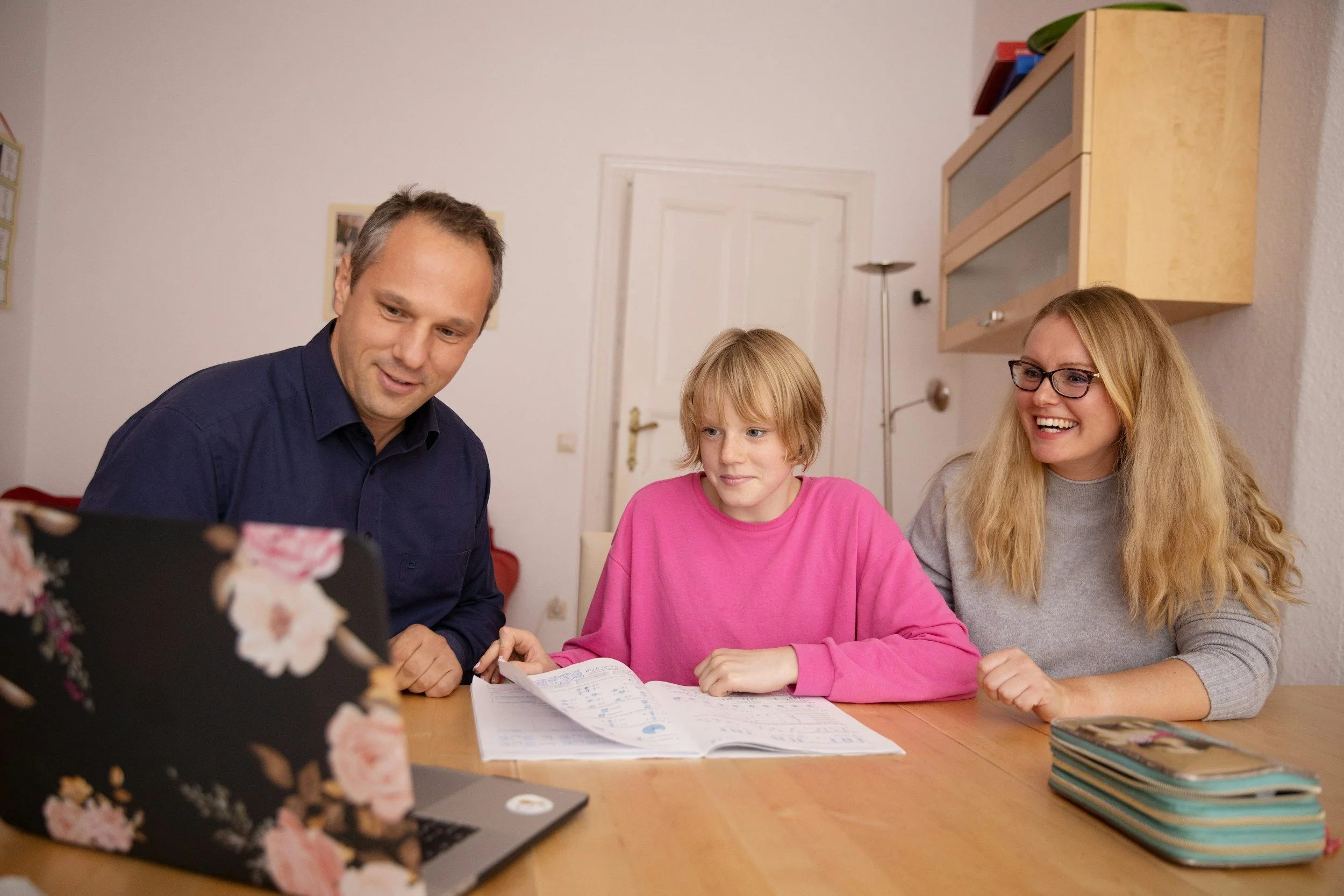
Individualized training that uses instruction, modeling, practice, and feedback to help parents and caregivers apply behavioral strategies consistently and support skill use across everyday routines and environments.
Behavior Skills Training (BST)
A structured teaching model — instruction, modeling, rehearsal, and feedback — used to build new skills reliably in caregivers, staff, and, when appropriate, the individuals we serve.

ABA Therapy
Individualized, evidence-based behavior-analytic intervention that addresses meaningful skills and behaviors that may interfere with learning, safety, independence, or everyday participation. Teaching strategies are selected and adjusted based on the individual's goals, response to intervention, and ongoing progress.

Where We Provide ABA Therapy Services
In-Home ABA Therapy
Primarily Serving Children

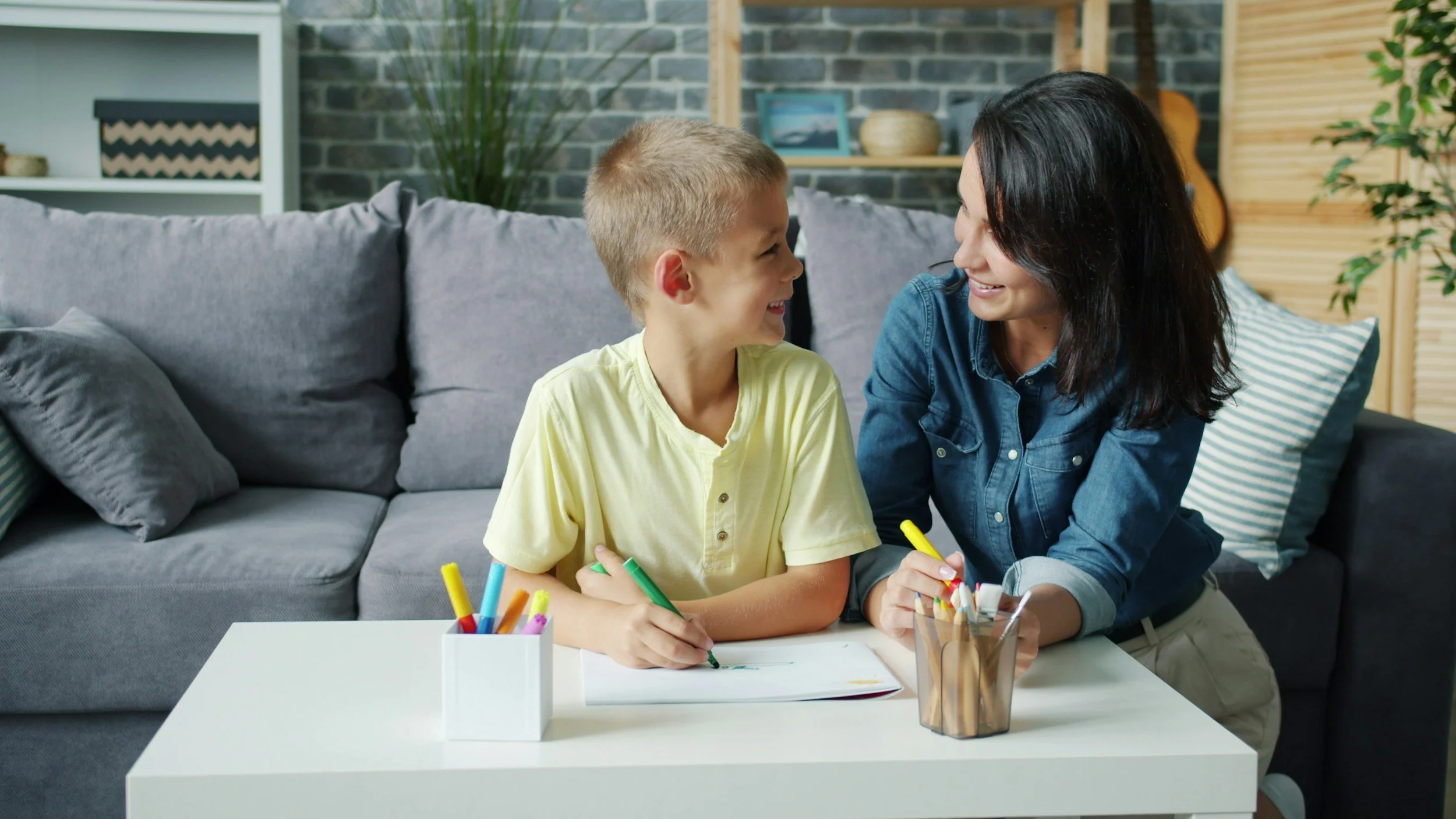
We provide individualized ABA therapy in the home, where skills can be taught and practiced within familiar routines and everyday activities. Services may focus on functional communication, social, adaptive, play, and daily living skills, as well as behaviors that may interfere with learning, safety, or independence.
Parents and caregivers are encouraged to participate in treatment to support consistency and help skills carry over into everyday life.

School-Based ABA Therapy
Supporting school-age children and adolescents
We provide individualized ABA services in educational settings, when appropriate and permitted, in collaboration with families, educators, and school personnel. Services may support communication, social interaction, participation in classroom routines, adaptive skills, learning readiness, and greater independence within the school environment.
Collaboration with the educational team helps support consistency and the use of meaningful skills across settings.

Community-Based ABA Therapy
Supporting adolescents and adults
Community-based ABA provides opportunities to teach, practice, and generalize meaningful skills in natural environments such as libraries, stores, recreational settings, vocational environments, and other community locations appropriate to the individual's goals.
Services may focus on functional communication, social interaction, community safety, self-advocacy, adaptive behavior, community participation, and skills that support greater independence in everyday life.

Telehealth ABA Services
Available when clinically appropriate
When clinically appropriate, telehealth may be used for services such as parent and caregiver training, behavioral consultation, treatment planning, supervision, and other behavior-analytic services appropriate for remote delivery.
Telehealth can increase access to services and support collaboration and consistency across environments. The appropriateness of telehealth is determined based on individual needs, clinical considerations, service requirements, and applicable payer or funding guidelines.
Getting Started With ABAServices
Connect With Us
Contact us to discuss your needs, priorities, goals, and questions about ABA services.
1
Consultation & Eligibility Review
2
We learn more about your needs, discuss whether ABA services may be appropriate, and help you understand insurance benefits, eligibility, authorization requirements, and other funding considerations when applicable. Coverage and authorization are determined by the applicable payer or funding source.
Assessment & Discovery
When appropriate, we gather information through interviews, observations, record review, and behavior-analytic assessment to identify strengths, support needs, behavioral patterns, and meaningful treatment goals.
3
Individualized Service Plan
Assessment findings are used to develop an individualized, evidence-based treatment plan based on clinical need, identified goals, and the priorities of the individual and, when appropriate, their family or caregivers.
4
Begin ABA Services
Once required approvals are completed, services may begin with ongoing collaboration, skill development, progress monitoring, and adjustments based on the individual's response to treatment.
5
Not sure whether ABA is the right fit? You don't need to know before contacting us. We're happy to learn about your needs and help you understand the appropriate next step.
See How to Get Started →
Let’s Talk About What You Need
Reach out to tell us about your goals and explore which MPCC services may be appropriate for you or someone you support.